
Waterproof jackets have come a long way, but the technology behind keeping us dry has changed significantly in recent years. One of the biggest changes has been the move away from PFAS (per- and polyfluoroalkyl substances), which were widely used in durable water-repellent (DWR) treatments because they were exceptionally effective at making water bead and run off the surface of a fabric.
As the outdoor industry moves towards more environmentally responsible alternatives, manufacturers have had to develop new ways of achieving water repellency without relying on these persistent chemicals. The result is a new generation of DWR treatments that can work extremely well, but generally require a little more care and attention from the wearer to maintain their performance.
And this is something that is easily overlooked when buying a new waterproof. It isn’t enough to simply put it on when the heavens open and expect it to perform at its best for years. Regular washing, using the correct technical wash products, and reproofing when necessary are all part of looking after a modern waterproof jacket. Dirt, sweat, body oils and general wear can all affect how well the outer fabric repels water. If the DWR starts to fail, the fabric can become ‘wetted out’, where water saturates the outer face. The jacket may still technically be waterproof, but breathability and overall performance can be significantly compromised.

You can still have fun in the rain
How you wear your waterproof matters too. Your layering system underneath can have a surprisingly big impact on comfort and breathability. A technical base layer and appropriate mid-layer will help manage moisture and heat far better than cotton or multiple heavy layers. The amount of physical effort you’re putting in is equally important: a jacket that feels brilliantly breathable while walking steadily in the hills may feel very different when you’re running hard uphill.
There is no single waterproof that will be perfect for every situation. The best choice depends on the conditions you’re likely to encounter, how hard you’re working, how much protection you need, and how willing you are to look after the jacket properly.
With that in mind, we’ve brought together a collection of waterproofs that have become firm favourites with our reviewers and the RunUltra community. These are jackets we’ve tested, worn and talked about in real-world conditions, from everyday wet-weather running to long days in the mountains, including jackets used on a Bob Graham Round, at ultras and through thoroughly wet days in the hills.
The Quick Picks
- All-round choice: Montane Minimus Lite. A comfortable running shell with a sensible balance of protection, pack weight and price.
- For minimal pack weight: Mammut Aenergy TR HS. A very light three-layer jacket for runners who want protection without much extra load.
- For quiet, stretchy comfort: OMM Kamleika. A softer-feeling option for spending longer in your waterproof.
- For a slim race shell: INOV8 Stormshell FZ V2. Light, packable and designed around running.
- For a more substantial mountain jacket: INOV8 Ventureshell. More room for layers, zipped vents and a hood praised in driving wind.
- For wearing over a running vest: Kailas AERO 1800. A running-specific design with an expandable back.
- For underarm ventilation: Rab Downpour. A more versatile rain jacket for runners who put venting ahead of minimum weight.
What Matters When Buying a Waterproof
Your race’s mandatory-kit wording comes first. Check it before buying. A high waterproof rating or a product described as a running jacket doesn’t automatically establish that it meets every event’s requirements. Taped seams are usually required, as is a hood.
Fit determines whether the protection is useful. Try the jacket over the layers you expect to wear. Check that you can move your arms freely, that the cuffs work with gloves and that the hood covers your head without getting in the way. Think about pocket access with your vest or pack on, too.
Hydrostatic head measures resistance to water pressure. A 20,000mm HH rating is a fabric specification, rather than a promise about how comfortable you’ll feel halfway up a climb. Breathability figures also need care: different testing methods make simple comparisons unreliable. Ventilation, fit, layering and effort all affect the experience.
A technical base layer helps manage sweat. Appropriate layers underneath will handle moisture and heat better than cotton or several heavy layers. A jacket that feels comfortable while walking steadily can feel much warmer when you’re running hard uphill.
Published weights need context. The figures below use different sizes and, in some cases, an unspecified size basis. They show the broad difference between a light race shell and a more substantial jacket; a few grams shouldn’t decide the purchase.
Why Modern Waterproofs Need Looking After
Manufacturers have been moving away from PFAS, the persistent chemicals widely used in durable water-repellent treatments. These DWR treatments help water bead and run off the jacket’s outer fabric. Newer alternatives can work very well, but generally need more attention to keep performing.
Dirt, sweat, body oils and wear can reduce that surface repellency. When the outer fabric becomes saturated, or ‘wets out’, the jacket may still be waterproof, but breathability and comfort can suffer. Washing and, when needed, reproofing are part of owning a waterproof, rather than jobs to save until it looks completely defeated.
Montane Minimus Lite: an All-Round Choice
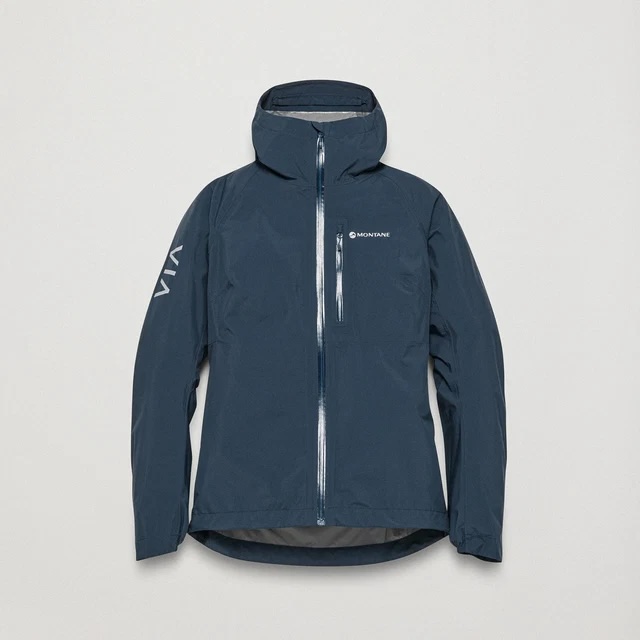

Montane lists the Minimus Lite at £125. That makes it a sensible starting point before spending more for specialist features such as stretch fabric or a more substantial construction.
- Construction: 2.5-layer Pertex Shield, with a 40D recycled-nylon ripstop face.
- Waterproofing: 20,000mm HH, according to Montane.
- Weight: 208g women’s; 237g men’s.
- Features: Adjustable hood and hem, reflective details and one zipped chest pocket.
Meirion Williams uses the Minimus Lite for most events. He says:
For most events, I use Montane Minimus Lite. Extremely comfortable, great at keeping rain out. Doesn’t feel too hot and is quite breathable. Had it in a sale at a local independent running store.
When I need a winter jacket I use Spirit Lite. Had it for an absolute steal on Vinted. Was worried it initially was a fake but luckily it wasn’t. As it gets closer to Winter this will get a lot more use.
The lack of vents is the main compromise for runners who like to dump heat without opening the front zip. One chest pocket also keeps storage simple, so your vest will need to carry most of the small essentials.
Choose it for general trail running and events where its specification meets the kit rules. If underarm ventilation is high on your list, look at the Rab Downpour instead.
Montane Spine Jacket
The GORE-TEX Montane Spine Jacket is another excellent option for trail runners looking for reliable waterproof protection. Ian Oldham said:
The goretex Montane spine jacket is a brilliant running water proof.
Designed for demanding conditions, it offers the weather resistance needed for long days on the trails and in the mountains, where staying dry and comfortable is essential. Montane is also planning to release the Spine 3.0 this autumn, so it’s worth keeping an eye out for the next evolution of this mountain-running waterproof.
Mammut Aenergy TR HS: For Minimal Pack Weight
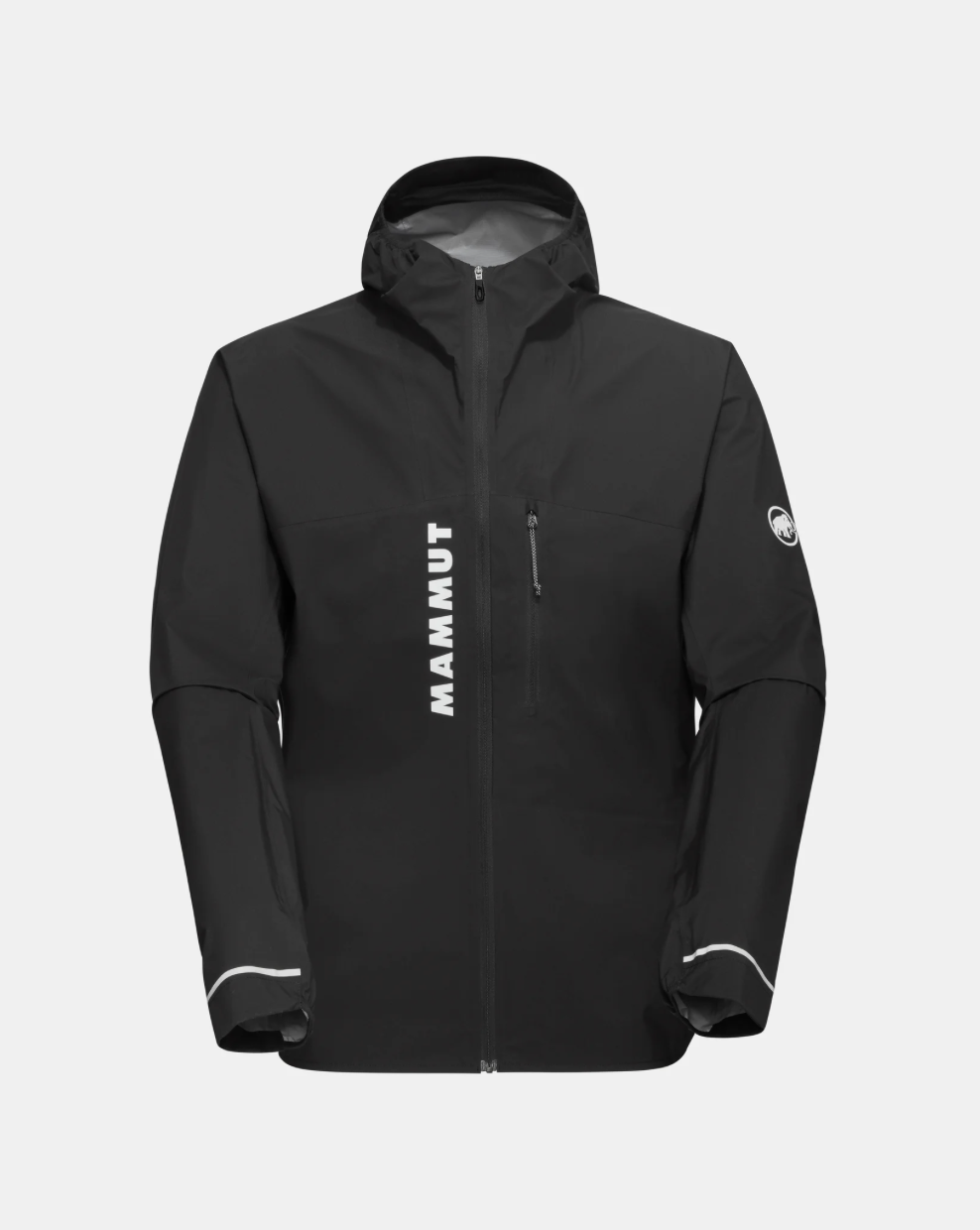
Mammut’s Aenergy TR HS running shell combines three-layer construction with a particularly low weight.
- Construction: Three-layer Pertex Shield, using 20D × 20D fabric.
- Waterproofing: 20,000mm water column, according to Mammut.
- Weight: 170g men’s medium; 155g women’s medium.
- Features: Pre-adjusted hood with reinforced peak, chest pocket, pre-shaped sleeves and elasticated cuffs.
Dave Town has used his at the LAP, Isle of Skye Ultra and on a Bob Graham Round, finding it reliable in challenging wind and rain. He says:
I’ve been really impressed with the Mammut Aenergy TR HS Jacket. It’s incredibly lightweight and packs down small, but still gives excellent protection when the weather turns. I’ve used it on a variety of events, including the LAP, Isle of Skye Ultra and a Bob Graham Round, and it’s been a really reliable bit of kit in some pretty challenging conditions. I particularly like how light and breathable it is you hardly notice you’re wearing it, while it still provides good protection from wind and rain. For me, it’s become one of those essential pieces of kit that stays in my pack knowing it’s there when I need it.
Mammut gives the jacket a durability score of 2/6. That is worth weighing alongside the very light fabric, particularly if your priority is years of rough treatment rather than minimum pack weight.
Choose it for fast-paced running and a compact emergency shell. The Ventureshell is the more substantial option in this selection.
OMM Kamleika: For Quiet, Stretchy Comfort
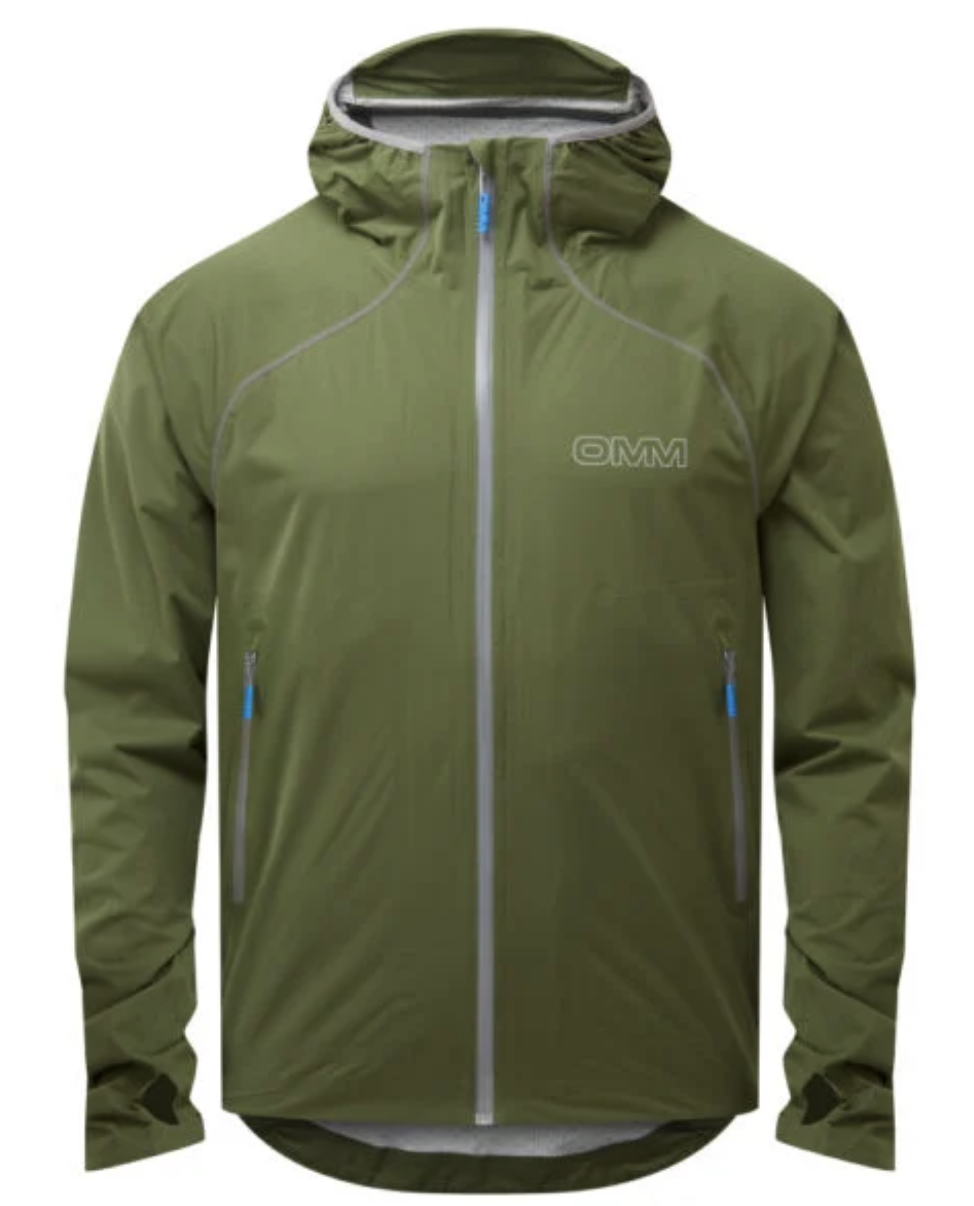
OMM lists the Kamleika at £210. The reason to pay the premium over a simpler shell is its distinctive fabric and freedom of movement.
- Construction: Four-way-stretch nylon/spandex fabric, waterproof membrane and taped seams.
- Waterproofing: Published rating of 20,000mm HH.
- Weight: 265g men’s medium; 247g women’s medium.
- Features: Two hand pockets, adjustable wired hood, adjustable cuffs, thumb loops and a drop-tail.
Mathieu de Badts puts its appeal neatly:
OMM Kamleika. Light, comfortable and silent. (No cracking while moving)
OMM describes the current jacket as having a PFC-free DWR and PFAS-free membrane.
Its weight is the trade-off. A runner mainly buying something to sit in a race vest can save weight with the Mammut or Stormshell. Choose the Kamleika when comfort in movement matters more than shaving the last grams from your kit.
INOV8 Stormshell FZ V2: For a Slim Race Shell
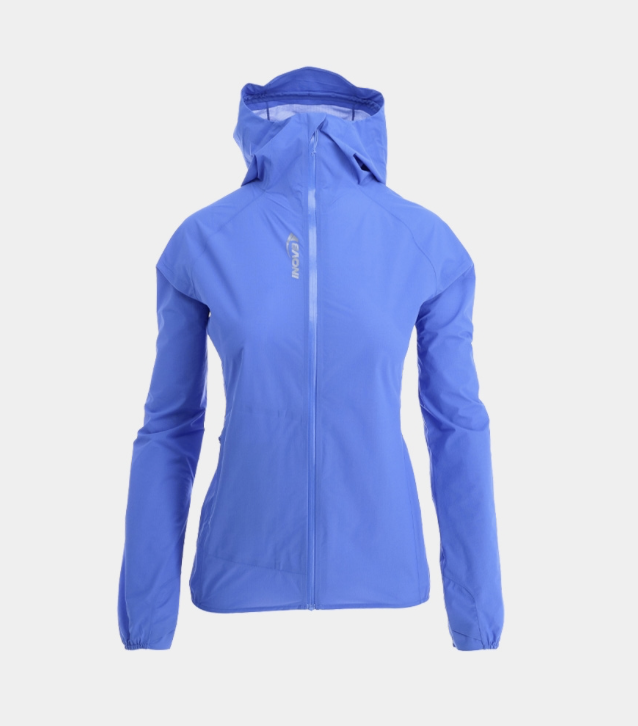
INOV8’s current Stormshell FZ V2 has a slim running fit and a pocket that the jacket packs into.
- Construction: 2.5-layer Pertex Shield with fully taped seams.
- Waterproofing: 20,000mm HH, according to INOV8.
- Weight: 172g listed.
- Features: Adjustable peaked hood, full-length front zip and one pack-away pocket.
Faye Johnson’s Stormshell experience spans several years of trail runs, mountain days and everyday training.
The INOV8 Stormshell Waterproof Jacket has proved itself over several years of regular use, from long trail runs and mountain days to everyday outdoor training. It offers an excellent balance of reliable waterproof protection and breathability, keeping the rain out during prolonged downpours without creating the clammy, overheated feeling associated with some waterproof shells. The athletic fit allows unrestricted movement, while the adjustable hood and cuffs provide extra protection when the weather really closes in.
Lightweight and exceptionally packable, the Stormshell can be easily stuffed into a running vest, waist pack or backpack without taking up valuable space. Despite its low weight, it has also stood up remarkably well to years of use, including pack-strap friction and repeated packing and unpacking, with the fabric, seams and zips remaining dependable. A versatile, durable and genuinely practical waterproof for runners and mountain users who want reliable protection without carrying unnecessary weight.
The single pocket limits storage, and the slim fit deserves a try-on with your intended layers. Choose it when compact race and training kit is the priority. Look to the Ventureshell if you want more room for insulation.
INOV8 Ventureshell: For More Substantial Mountain Protection
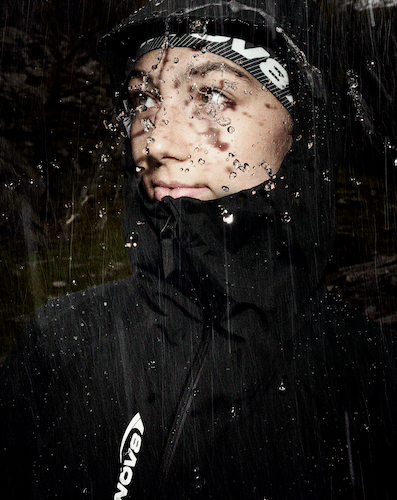
INOV8’s three-layer Ventureshell has a regular, hiking-specific fit and space for warmer layers underneath.
- Construction: Three-layer fabric using recycled nylon.
- Waterproofing: 30,000mm HH, according to INOV8.
- Weight: 380g listed.
- Features: Zipped vents, fully taped seams and an adjustable wire-reinforced hood that clips down.
Anna Buckingham valued the longer cut and layering room in her RunUltra review, which recorded a £235 price. She also found the sleeves easy to adjust over gloves. Her favourite feature was the hood:
“In a driving wind it stayed in place and allowed me to keep my hands free rather than having to hold the hood down over my forehead.”
The listed 380g weight makes this the heaviest jacket here, though only slightly heavier than the standard Rab Downpour. Choose it for longer mountain outings when layering and a more substantial shell matter. For a jacket mostly carried during fast running, the lighter picks make more sense.
Kailas AERO 1800: For Wearing Over a Running Vest

Kailas gives the AERO 1800 an expandable back, designed to accommodate a running vest.
- Construction: FILTER-TEC waterproof material with an athletic fit.
- Waterproofing: FILTER-TEC fabric.
- Weight: 180g reported.
- Features: Vest-compatible back expansion, articulated shoulders, pre-shaped elbows, trail-specific hood and a zipped pocket.
Katie Allen was gifted an AERO 1800 for running at Swiss Canyon. She has since turned to it repeatedly, although her supplied size was larger than ideal:
I was given a large size, which although slightly too big for me, has meant I’ve been able to throw it over whatever I’m wearing without issue.
The jacket remains among her preferred options going into winter. Her experience is also a reminder to try a shell with the clothing and vest you actually intend to wear.
Choose it for that over-vest setup. The lack of an integrated stuff sack makes packing less tidy than with the Stormshell’s pack-away pocket.
Rab Downpour: For Underarm Ventilation
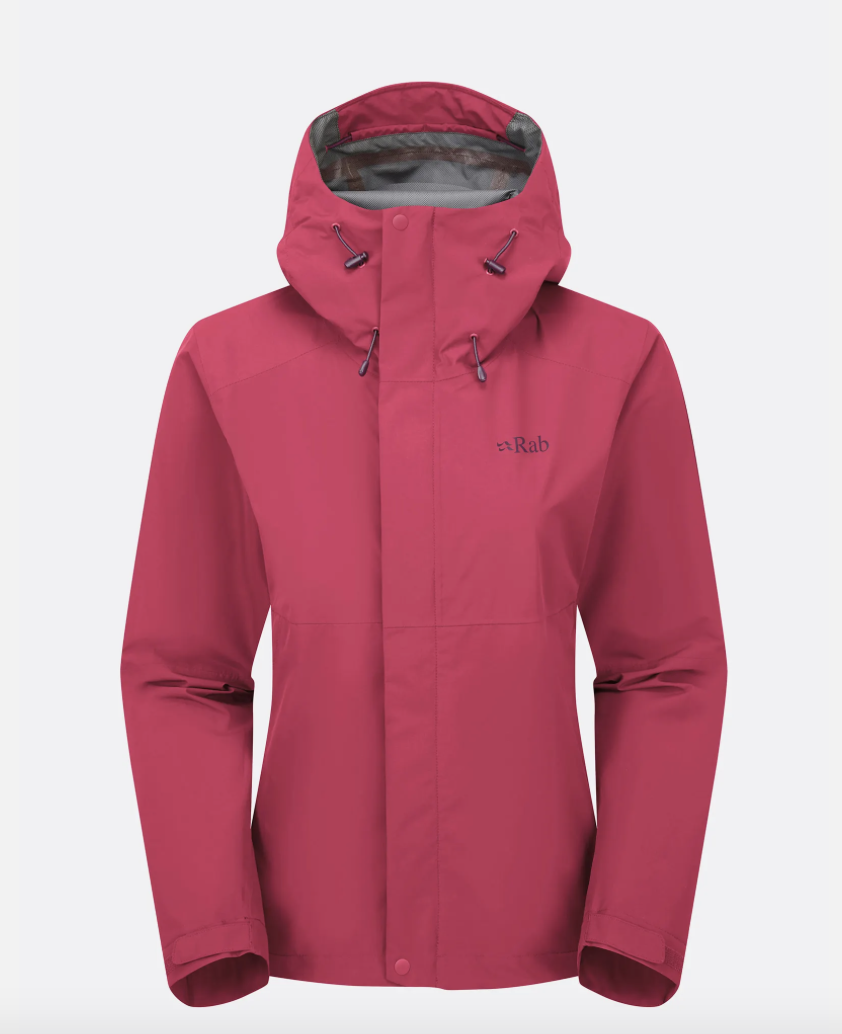
Rab’s standard Downpour has a regular fit and underarm vents. This is the Downpour, rather than the separate, lighter Downpour Trail Light.
- Construction: 2.5-layer, 50D Pertex Shield.
- Waterproofing: 20,000mm HH, according to Rab.
- Weight: 377g men’s medium.
- Features: Two hand pockets, underarm vents, storm guards and adjustable hood and hem.
Michelle Mortimer liked the underarm zips for venting. She described her newly bought jacket’s wet-weather outing:
I’ve just bought the Rab Downpour – served me very well on a day out in the Lakes last weekend with 5 hours of pouring rain. Like the underarm zips for venting and did keep the rain out.
The weight is the obvious compromise for running. We’d choose it for mixed hill days where ventilation and everyday versatility matter, rather than relying on it in long-lasting severe storms or choosing it as minimum-weight race kit.
Choose it if you want pit zips and a jacket that can do more than running. If its main job is sitting in your vest, the Mammut or Stormshell will take a smaller share of your carried weight.
Waterproof Ownership: Two Useful Questions
Is Buying Second-Hand Worth Considering?
Meirion Williams bought his Minimus Lite in a sale at a local independent running shop, and his winter choice, a Montane Spirit Lite, came from Vinted.
Check the particular jacket’s condition, including seams, zips and visible wear, and ask about its care history. A contributor’s bargain is a reason to look around, rather than a reliable price guide for the next listing.
How Should I Wash and Reproof My Jacket?
Follow the jacket’s care label and use the recommended wash product. Montane’s waterproof-care guidance advises a suitable technical wash or non-biological detergent and avoiding fabric softener.
Clean the jacket before deciding it needs reproofing. Surface saturation can reflect a dirty or tired DWR treatment even when the waterproof barrier still works. If water no longer beads after appropriate cleaning, follow the jacket and reproofing product’s instructions.
Check whether the care label permits low-heat tumble drying to reactivate the DWR. Heat treatments and reproofing directions vary, so use the instructions for your particular jacket.


